
DONATION ETIQUETTE STUDY PROJECT
DONATION ETIQUETTE STUDY PROJECT
The Donation Etiquette Study Project (DESP) supports young people to make responsible donation decisions, raises awareness for reuse and recycling, and helps them understand how misplaced donations impact their local community and global movements. Through hands-on workshops, youth-led polling, and community conversations, DESP uncovers what ethical donation and textile stewardship truly can look like.
We aim to explore how donation systems intersect with culture, identity, waste, and the environment, giving youth the tools to make informed, sustainable, and culturally respectful choices, thus reducing waste.
Our goal is to empower youth with the knowledge, tools, and cultural awareness needed to make responsible, informed decisions about clothing donations. DESP aims to reduce unwearable donations, divert clothing from landfills, and build a more sustainable, culturally respectful donation system across Canada.
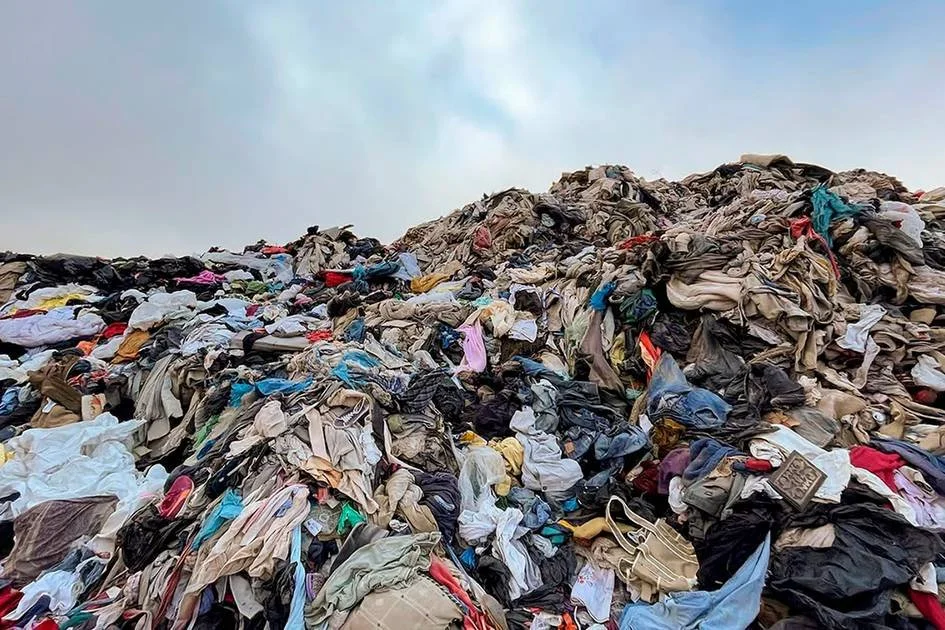
The global fashion system is producing clothing at pace the planet cannot keep up with. According to Greenpeace, more than 100 billion garments were made worldwide in 2014, with production expected to surpass 200 billion soon. Most of today’s clothing is made from polyester, nylon, and other synthetics — plastics that do not biodegrade.
This overproduction fuels an unprecedented textile waste crisis.
In Canada alone, nearly 280 kilotons of synthetic textiles were discarded in 2020.
In the U.S., 17 million tons of textile waste are generated every year, with only 15% recycled.
With so much waste, donation systems have become an unintended pressure valve. Many people assume that donating clothes is automatically helpful. But donation bins now receive far more clothing than they can process, and much of it is unsellable, contaminated, or low-quality.
The result?
Items are downcycled, landfilled, or shipped abroad.
Countries such as Kenya and Ghana absorb the overflow of Global North textile waste.
Kenya imported 177,664 tonnes of used clothing in 2022 alone—Canada among the top sources.
→ This creates environmental, cultural, and economic burdens for receiving nations.
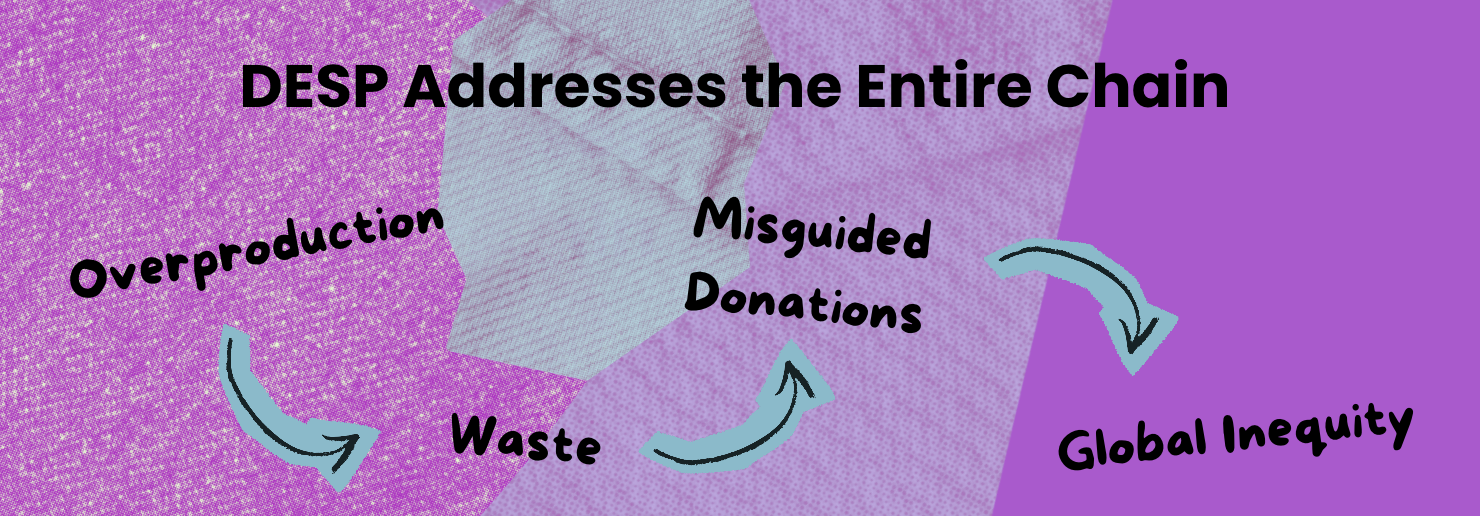
Our goal is to better understand public knowledge around clothing donations by assessing common perceptions and misconceptions. Using these insights, we aim to develop clear and effective messaging, empower youth and the public to make responsible donation choices, increase the volume of wearable clothing being donated, and reduce the amount of textiles ending up in the landfill.
Misunderstandings lead to:
Overflowing or contaminated donation bins
Unusable clothing is burdening charities, NGOs, and local thrift shops
Increased landfill waste
Loss of cultural textiles and knowledge
Reinforcement of global inequities, as receiving countries manage the waste of wealthier nations

Our African Regional Coordinator—Janet, offers an in-depth look at how secondhand clothing from the Global North moves through East African markets, revealing both the opportunities it creates and the burdens it places on local communities. Her piece underscores why DESP centres partnership and listening — acknowledging the complexity of these systems and the importance of working collaboratively with African leaders and organizations.

What Youth and their Communities Will Learn
What Youth and their Communities Will Learn
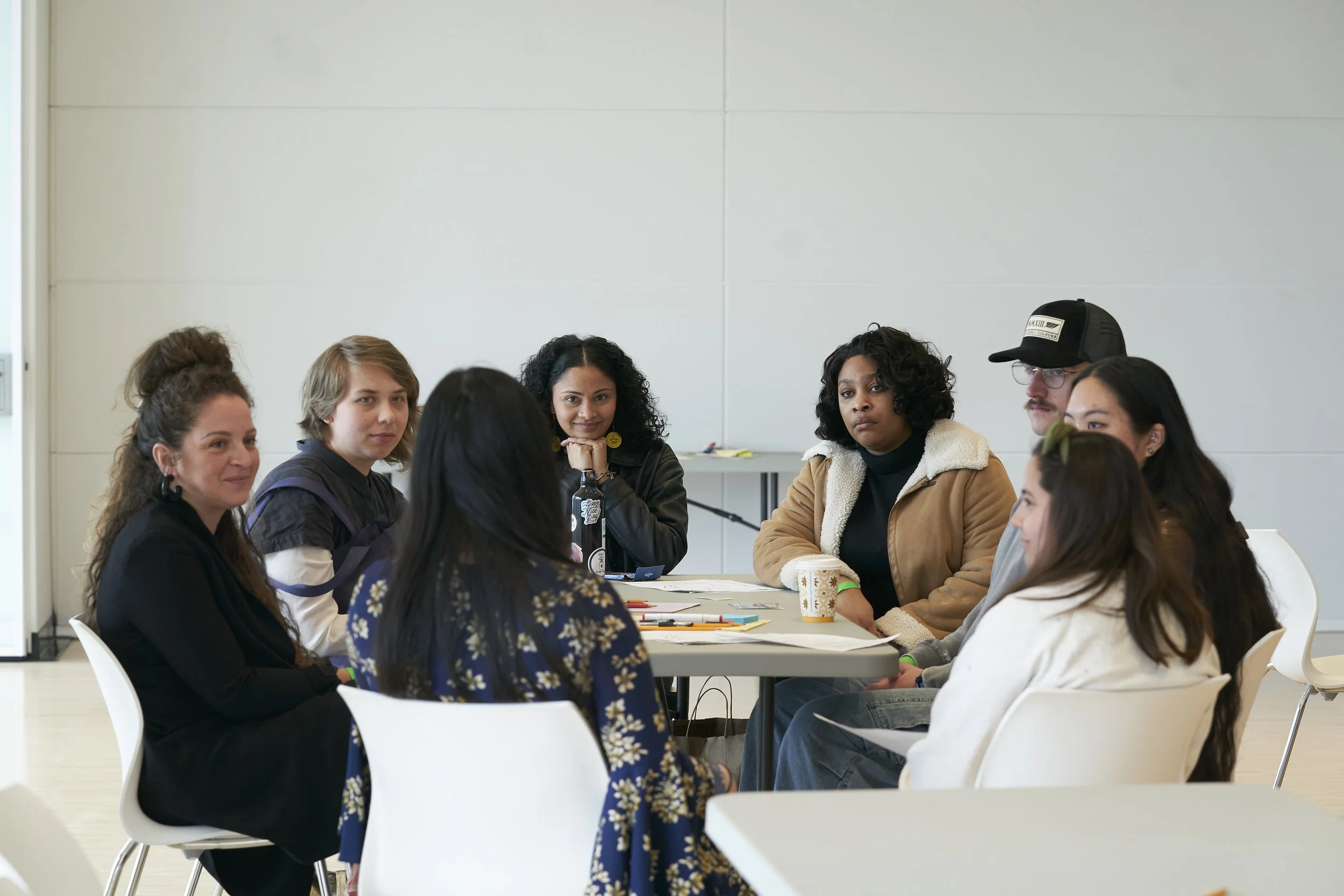
Participants, focus groups and community sessions will explore:
The social and environmental burdens of misplaced donations
How donation systems differ across Canada
Cultural and identity loss in today’s fashion system
Environmental and social impacts of textile waste
Barriers to reuse, repair, and responsible giving
How they can lead change in their communities
Youth contribute to an anonymous Canada-wide dataset, making them co-creators of the future toolkit.
How We’re Doing It
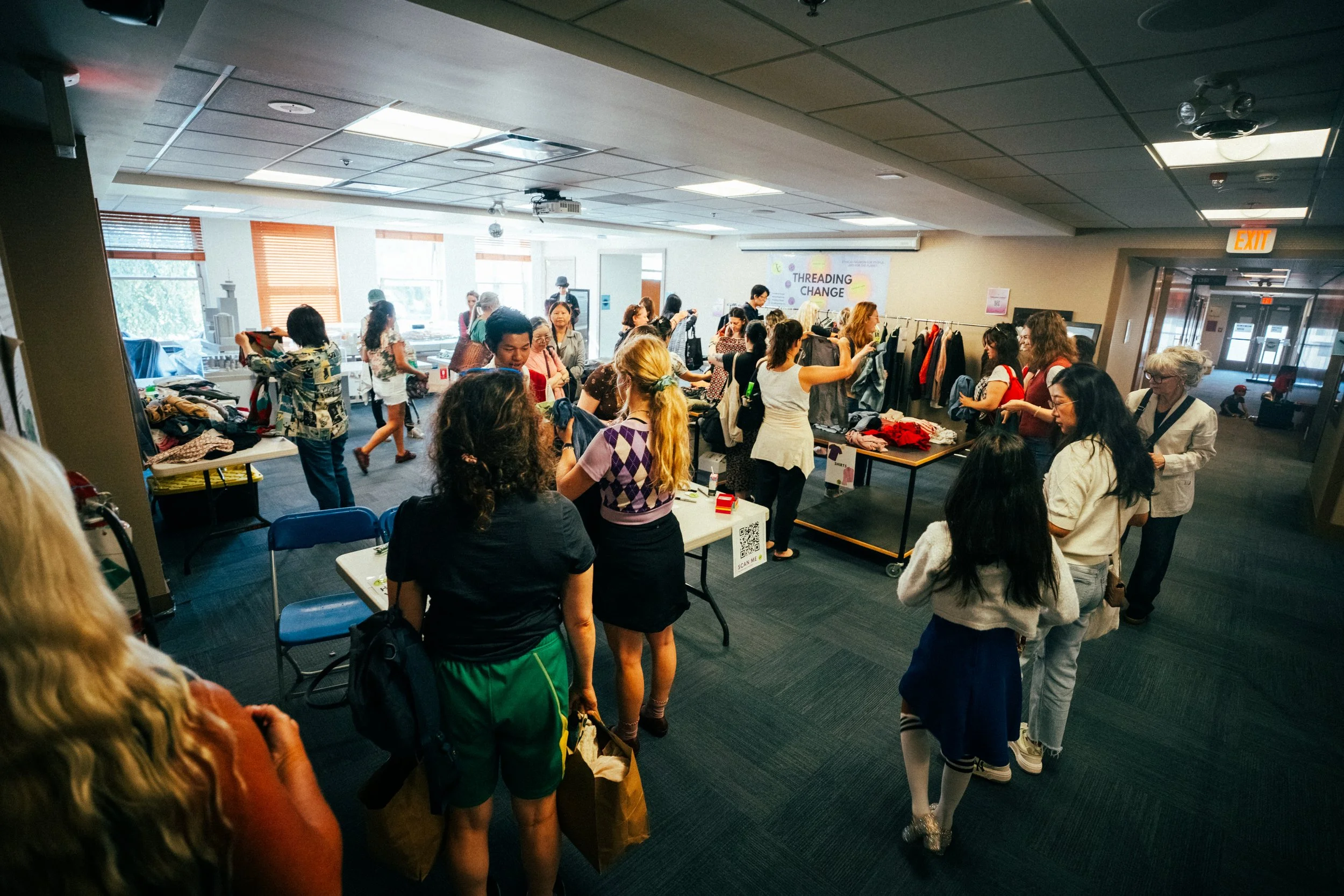


Victoria, BC Pilot (2025–2026)
Led by Sophie Koser and funded by the CRD Rethink Waste Grant, our first DESP pilot includes:
Workshops for youth ages 18–35
Youth-led polling on donation habits and beliefs
Development of a Donation Etiquette Toolkit
Insights to inform our 2026–2027 national expansion



GET INVOLVED
GET INVOLVED
Want to bring DESP to your community, collaborate, or participate in a workshop?
Contact
Sophia Yang, Founder & Executive Director
hello@threadingchange.org